DTO · EN

DTO · EN
The automotive industry, long a reliable driver of growth, has been undergoing structural change for some time, taking the machine tool industry into uncertain waters with it.
As a result, the machine tool sector ended 2019 on a generally disappointing note, and sentiment remains subdued this year.
Yet whenever established structures loosen, opportunities also arise to enter new markets or reach new target groups. Electrification in general, and alternative powertrains in particular, present machinery and tool manufacturers with new challenges. At the same time, these changes offer opportunities to identify new markets, adapt to shifting conditions and invest in the right areas.
Looking at electromobility, one of the main drivers of the current structural change, it is clear that components require exceptionally high precision to achieve the greatest possible efficiency. This is mainly because electric motors operate at higher rotational speeds than combustion engines. High accuracy therefore reduces energy losses. Ultimately, the most efficient motors have the potential to gain the greatest competitive advantage. To manufacture the necessary components optimally, machine tools and tooling must also be adapted. This gives lightweight design even greater importance than it already has.
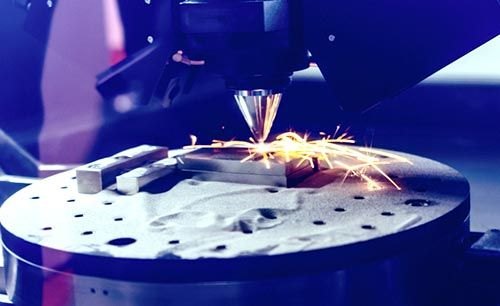
The trend towards lighter yet highly robust components is closely linked to the development of the tools used to manufacture them. Additive manufacturing processes are gaining significant momentum in meeting these requirements. Clever support or honeycomb structures can reduce tool mass and moments of inertia while enabling higher cutting and feed speeds. The opportunities offered by these new processes and materials are remarkable. These changes in machine tools, tooling and subsequent production are not limited to automotive. Aerospace and medical technology, two other sectors with substantial potential, are also opening up opportunities for machinery and machine tool manufacturers to approach the current structural change positively.